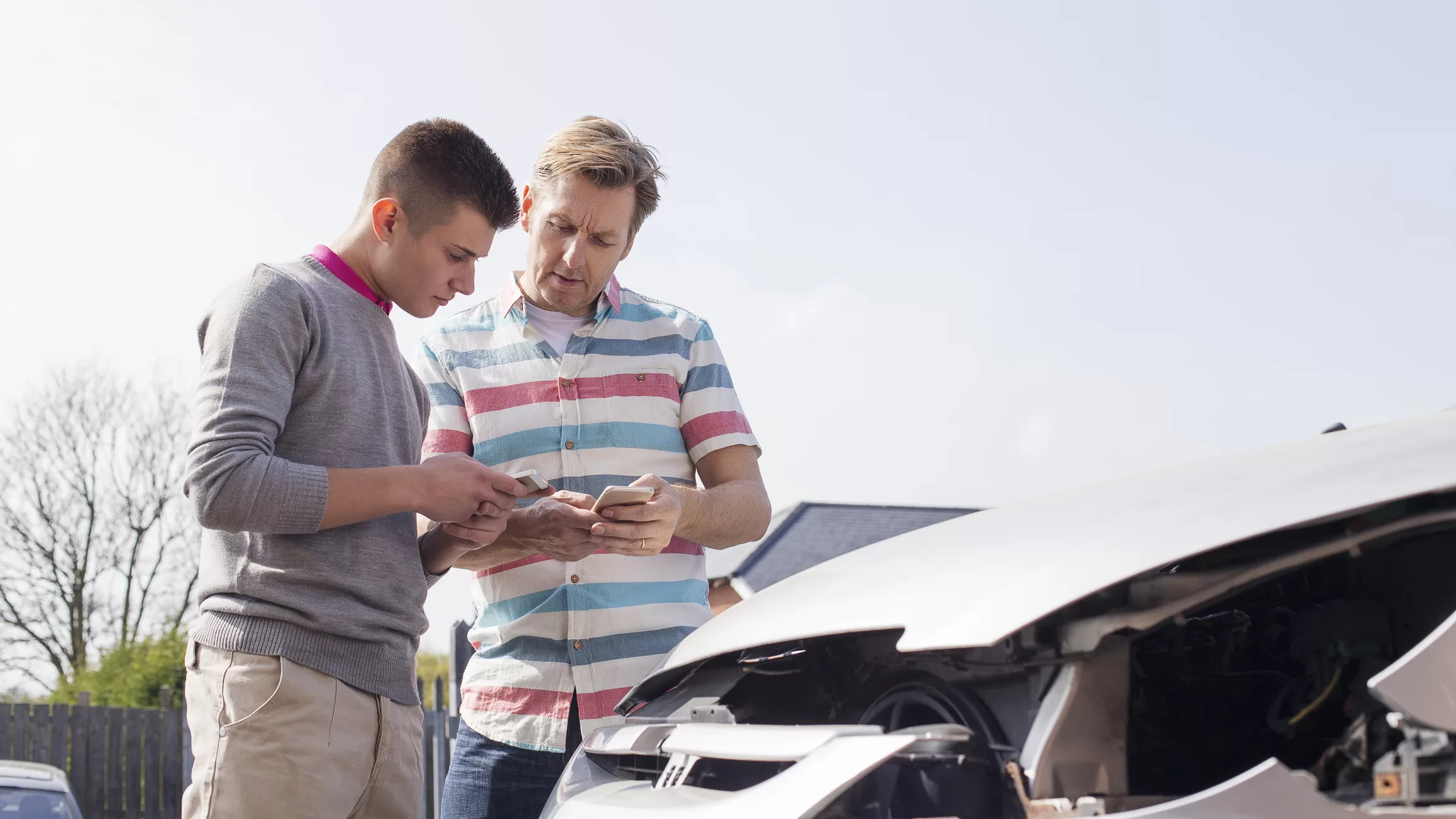
A car accident, a theft, a shattered windshield… Car claims are unforeseen events that can disrupt your daily life and, unfortunately, impact your insurance policy.
If you have been involved in an accident, especially if you were at fault, it is essential to understand the steps to follow and the consequences for your insurance contract. Assurances Multi-Risques guides you through the steps of managing a claim and, if necessary, finding suitable coverage again.
Take Action Immediately After an Accident
The first and most crucial step is to stay calm and secure the scene.
- If there are injuries, call emergency services and the police immediately.
- In the event of a minor fender bender, it is generally not necessary to call the police. Fill out a Joint Report with the other driver. This official document is essential for describing the damage and the circumstances of the accident. If you do not have a Joint Report form, exchange essential information: name, contact details, driver’s license number, and registration certificate.
- In the event of vehicle theft or a hit-and-run, contact the police to obtain a police report, which is required for your claim.
Reporting the Claim to Your Insurer
Once the initial steps are completed, contact your insurer or broker as soon as possible. Waiting too long could result in a denial of coverage.
- Review your insurance policy to understand the extent of your coverage and the guarantees applicable to your situation.
- Have your policy number ready and describe as precisely as possible the circumstances of the incident.
- Submit supporting documents: the Joint Report, photos of the accident, the police report (in the case of theft or hit-and-run), and any other relevant information (witnesses, towing invoices, etc.).
A claims adjuster will be assigned to your file to investigate the damage caused and your liability in the accident.
Liability and Compensation: What You Need to Know
Your liability in the accident is a determining factor for compensation and the impact on your premium.
- If you are not at fault, damage to your vehicle is covered even if you only have civil liability insurance (mandatory). You will be compensated without having to pay a deductible. However, determining the degree of liability is not always straightforward. Therefore, it is always better to ensure you are covered for collisions.
- If you are at fault, compensation for your own damage will depend on the type of insurance policy you have:
- Civil liability insurance: Only damage caused to others is covered. Repairs to your own vehicle are at your own expense.
- All-risk insurance (or collision/upset protection): Your damage is covered, but you must pay the deductible specified in your contract.
In Quebec, the Direct Compensation Agreement (DCA) is used to assess the degree of liability (0%, 50%, or 100%) in collisions involving at least two vehicles with identified owners. Under the DCA, each insurer compensates its own insured.
Consequences of a Claim on Your Insurance
A claim, especially an at-fault one, can have several consequences:
- Increased insurance premium: A claim will likely lead to a premium increase, as you will be considered a higher risk.
- Contract cancellation: In some cases, the insurer may terminate your contract. This happens if the number of claims is too high or if you are guilty of an offense (driving under the influence of alcohol or drugs). Other legitimate reasons, such as misrepresentation or non-payment of premiums, can also justify cancellation.
Finding Car Insurance After an Accident or Claim
Being cancelled by your insurer after a serious claim is stressful, but not irreversible. Since it is illegal to drive without insurance in Quebec, it is crucial to find coverage quickly.
- Obtain your claim history report: Your previous insurance company must provide this document, which lists your claims and driving history, since it is essential for new insurers.
- Be honest with insurers: Declare all relevant information, including a policy cancellation. You might not be covered in the event of misrepresentation.
- Use available resources: In Quebec, the Groupement des assureurs automobiles (GAA) offers assistance to consumers struggling to find insurance. You can also request your claims history statement on their website.
- Contact a specialized insurance broker: Traditional insurers may refuse high-risk profiles. Brokers and insurers specializing in non-standard insurance can help you find a solution tailored to your needs.
Car insurance for drivers with prior claims is often more expensive, but it can be temporary. By avoiding new infractions, you can rebuild your driving record and eventually return to affordable insurance.
An accident is never fun. By surrounding yourself with our damage insurance experts at Assurances Multi-Risques, you can get back on the right track.