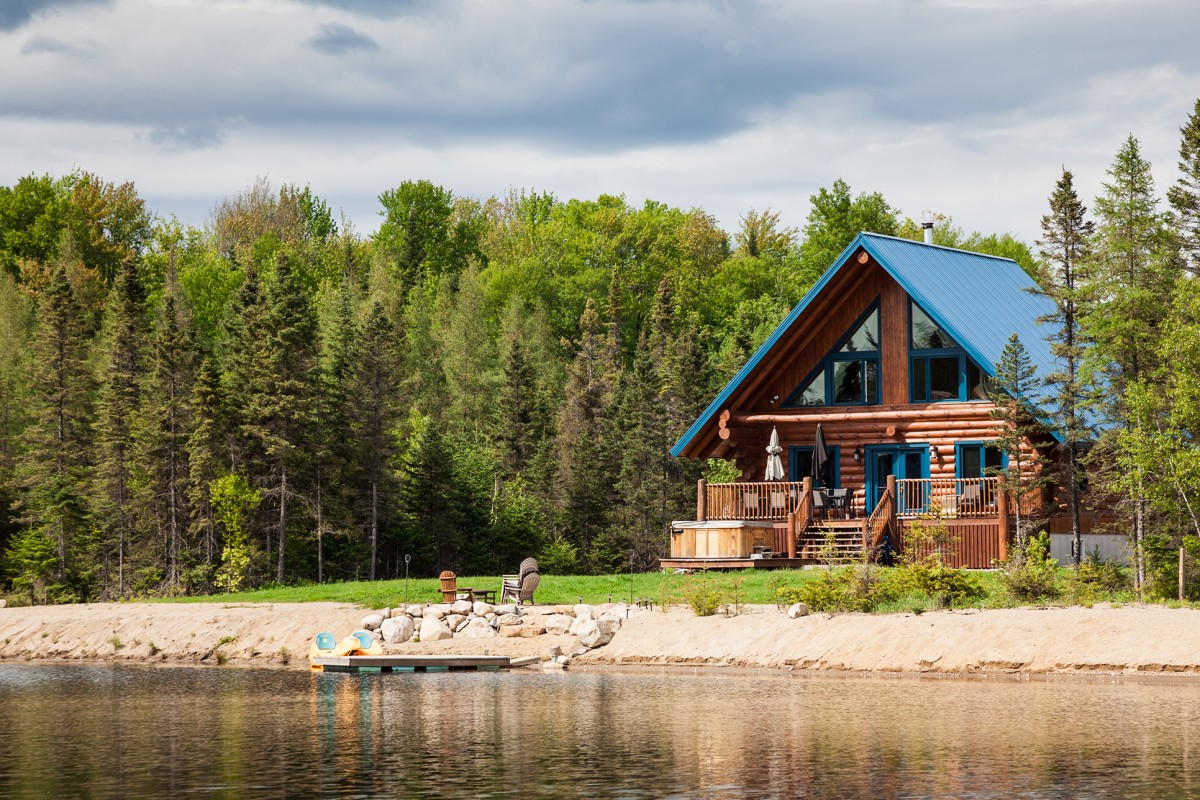
Secondary or seasonal residence Insurance
For this type of coverage, your insurance premium is determined based on several factors: the location of your second home, the amount of time spent there, the type of heating used, the type of access, etc. As we know, owning a home is already very demanding. Owning a second home obviously requires even more… time!
At AMR, our goal is to save you time and money so that you can truly enjoy your second home or vacation rental without any worries other than deciding whether to go paddle boating or windsurfing.
Insuring a secondary or seasonal residence is quite different from insuring your main home, especially when you don’t live there often. Risk factors can vary greatly from one location to another, so make sure you’re fully protected!
Types of coverage and options
Multiple coverages tailored to your situation.
-
Civil liability
Civil liability protection covers you in the event of unintentional damage caused to other people or their property. It is essential coverage included in standard insurance policies, protecting you in particular in the event of civil law proceedings. It also covers all family members living under your roof and even extends beyond the walls of your home.
Your civil liability insurance amount is proof of your solvency. Don’t hesitate to ask your broker questions to ensure that your coverage amount is sufficient to protect your financial assets.
We recommend that you increase your civil liability insurance amount if you are staying outside Quebec and Canada to ensure that you have adequate protection when you are abroad.
-
All risk coverage
The name says it all! All risk coverage (extended coverage) covers everything except the exclusions mentioned in your contract. In addition to civil liability, it protects you against most risks and unforeseeable incidents, especially those you don’t think about!
This package is highly recommended for optimal protection of your assets. As independent insurance brokers, we make sure to offer you maximum coverage to avoid unpleasant surprises when you file a claim.
-
Designated risk plan
This type of coverage allows you to select the risks against which you want to be protected. You will therefore only be insured for the risks mentioned in your insurance policy. Usually, the most common risks are covered: fire, theft, vandalism, damage caused by windstorms, hail, smoke, etc.
-
Floater insurance
This coverage allows you to insure certain items that have a higher value, be it sentimental or monetary. You can be sure that your valuable sports equipment or your new plasma TV will be well protected!
-
In between
Did you know that it is possible to combine the two suggested plans? You could opt for all risk on the building and designated risk on the contents of the building!
-
Rental income
This protection covers your loss of rental income if a disaster occurs in the building, house or condo that you rent out.
Other option
Enhance your insurance with these add-ons to your policy that offer you even more protection, for optimal coverage that can handle any situation. These protections are not always included in standard packages, so it’s best to check and make sure they are included in your contract!
-
Earthquake
The risk of earthquakes is often considered minimal, yet they occur almost daily in Quebec. Despite popular belief, this protection should not be overlooked. This protection will insure your home against damage caused by earthquakes, as well as avalanches, rockslides, subsidence, and landslides.
-
Groundwater, sewer backup and overflowing waterways
Protect yourself in the event of flooding, groundwater infiltration, leaks, overflow, or accidental sewer backups. Some insurers limit insurance amounts or refuse to cover high-risk areas, so check with your broker!
-
Above-ground water
This protection covers you in case of damage caused by water infiltration through the roof, doors, or windows above the foundation. It also covers overflow from gutters or downspouts.
-
Storage insurance
This additional coverage ensures that you won’t get stuck with stored goods that are no longer insured after a certain period of time This way, you can be sure that you won’t have any unpleasant surprises during a move, for example.
-
Umbrella insurance
This is excess insurance that you can add to your liability insurance, both for your home insurance and your auto insurance. Umbrella insurance is used to cover any “gaps” that may exist in your liability insurance policy. This additional protection is highly recommended for people who travel a lot. The coverage limit is then extended and your financial assets are protected, no matter where you are in the world.
-
Legal assistance
Legal insurance allows you to benefit from financial assistance so you can quickly access legal services from the lawyer of your choice. With the goal of offering you peace of mind, this additional coverage will ensure that your fees are covered.
Answers to your questions
-
Is home insurance mandatory?
In Quebec, home insurance is not mandatory, unless it is required by a financial institution in the case of a mortgage loan.
However, home insurance is strongly recommended to protect you financially in the event of fire, theft, or water damage, for example. To deal with any eventuality, it is always better to protect yourself against all risks!
-
What does home insurance cover?
Home insurance protects your home and personal property against various risks. This generally includes:
- theft;
- vandalism ;
- fire ;
- wing ;
- ice;
- hail.
However, there may be several differences from one insurer to another, and it’s important to carefully check what is included and excluded in your insurance policy.
-
Is water damage covered by my home insurance?
Not all water damage is covered by your home insurance. Basic coverage generally covers only damage caused by water originating from inside the home. This may include, for example, overflowing plumbing fixtures (washing machine, toilet, water heater, dishwasher, etc.) or a broken water supply line.
Damage caused by a water heater is generally covered by insurance companies, under certain conditions. Your appliance must be no more than 10 or 12 years old and in good working condition.
For floods, sewer backups, and water leaks through the roof, you’ll need to add optional riders to your home insurance policy.
-
How do you insure a seasonal home or second home?
Insurance for a secondary or seasonal residence differs from that for your main residence, particularly if you do not stay there very often.
Several factors can affect the cost of your insurance premium: the area where your second home is located, how often you stay there, the age of the property, the type of heating system, proximity to a hydrant, etc.
It’s often worth combining your main home insurance with that of your holiday home. Speak to your broker to find the cover you need.
-
Do I need to inform my insurer if I rent out my property?
Yes, you must notify your insurer if you let out your home, even for a short period. If you fail to do so, they may refuse to pay out in the event of a claim.
Some insurers will agree to cover you by adding a rider to your policy. If this isn’t the case, an insurance broker with experience in short-term lettings can shop around on your behalf and find home insurance tailored to your circumstances.
Tips and advices
-

The Impact of Climate Change on Your Insurance
-
How to Make an Insurance Claim Step by Step
-
What Is NOT Covered By My Home Insurance?
-
Home Insurance and Civil Liability
-
Are You Properly Covered for Water Damage?
-
Country Home Insurance: Protect Your Second Home




Why choose us?
When you choose AMR Assurances Multi-Risques, you’re opting for a team of insurance experts. More than just brokers, we are advisors who have your best interests at heart.
Our primary mission is to represent you with various insurers and to offer you a product that meets your needs. And because life moves fast, we negotiate to get you the best insurance contract at the best quality-price ratio to guarantee you peace of mind.
Don’t wait any longer!

We’re passionate about insurance

We compare the best protections

We speak your language

Water, fire, smoke or vandalism damage?
don’t panic!
We’re here to help
often occur when you least expect them. AMR Assurances Multi-Risques guides you step by step to help relieve all your worries.