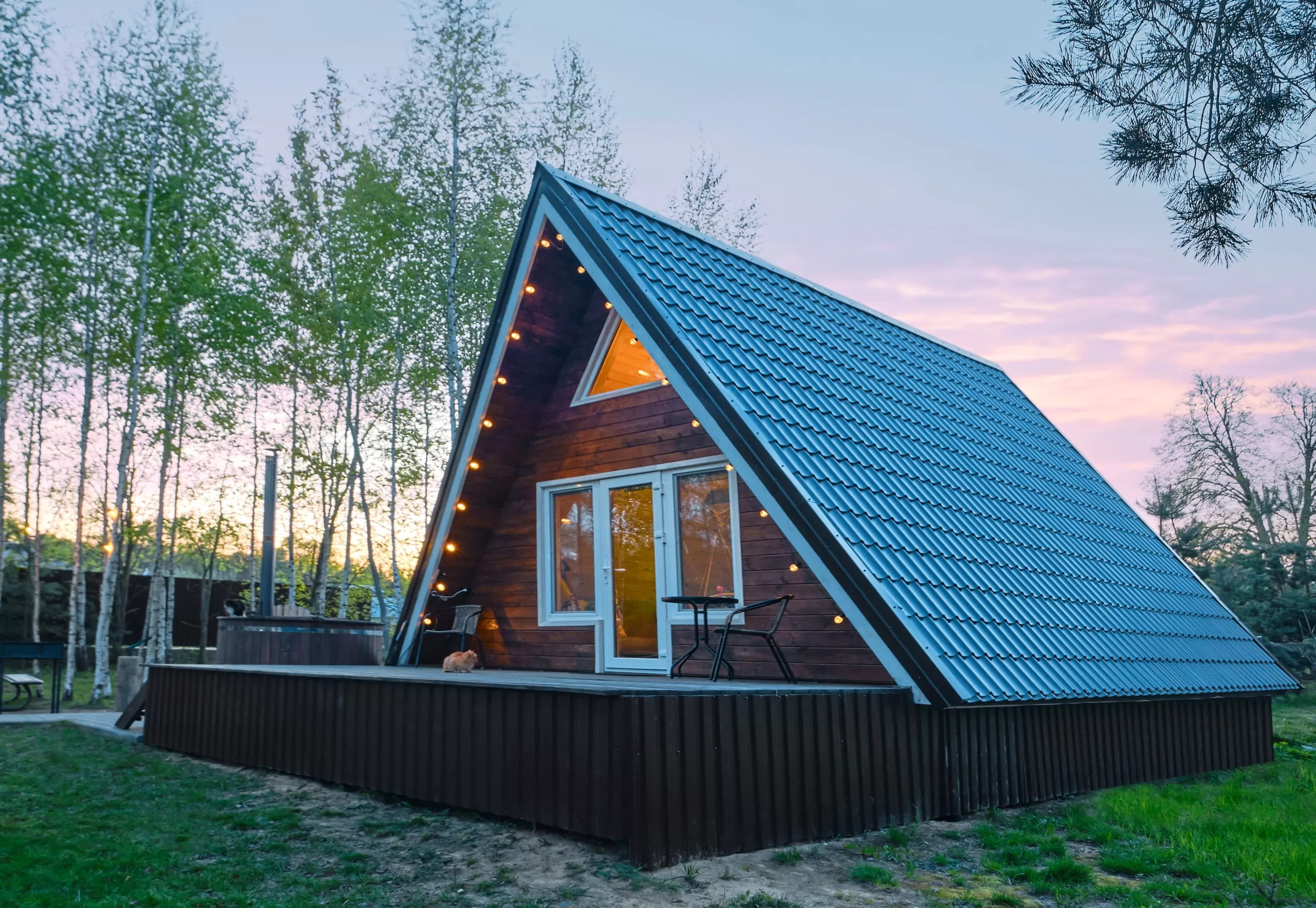
Acquiring a country home or a cottage is a dream for many—a place to recharge, far from the hustle and bustle of the city. However, this little piece of paradise comes with its share of responsibilities, the most important being to ensure that this precious investment is adequately protected.
Insuring a secondary or seasonal residence is quite different from insuring your primary home. Here are the essential points you need to know:
Secondary or Seasonal Residence: A Crucial Distinction
In the eyes of insurers, the status of your property determines the scope of your coverage.
- Secondary residence: To qualify as such, your country home must not be left uninhabited for more than 30 consecutive days. It must also be accessible by maintained roads twelve months a year. Because of the higher occupancy rate, the risk is perceived as lower. Insurers are often more inclined to offer All-Risk coverage.
- Seasonal residence: If your cottage does not meet these requirements (for example, if you don’t live there during winter), it will be insured as a seasonal residence. Coverage is generally more limited, often under a Named Perils form. To be covered against theft and vandalism, you will often need to add an endorsement for an additional premium, as the risk is considered higher.
Factors Influencing Your Premium
Several elements specific to secondary or seasonal homes can affect the cost of your insurance policy:
- The age of the home: Old country houses have undeniable charm, but their age is a determining factor for insurers, particularly regarding the condition of systems and modern building codes.
- Heating systems: Using wood-burning stoves, oil, or gas heating can represent an increased risk compared to modern electric heating. The presence of a fireplace or wood stove must be declared.
- Proximity to services: The distance between your residence and the nearest fire hydrant or fire station is crucial. It directly impacts the ability to limit damage in the event of a fire.
Tips for Optimal Coverage
- Bundle your policies: Many insurers require you to insure your primary residence with them before they will cover your vacation home. This often simplifies things in the event of a claim, especially for personal belongings you transport back and forth. It also ensures your civil liability covers you adequately.
- Create an inventory: Accurately evaluate the reconstruction value of the building and list your belongings. Distinguish between permanent items (covered by the cottage insurance) and temporary items brought for your stay (often covered by your primary residence insurance).
- Disclose rental activity: If you rent out your cottage, even on a short-term basis, you must inform your insurer. Since the risk is higher, your premium will be as well. Requiring proof of liability insurance from your tenants is also an excellent practice.
- Insure your leisure vehicles: Do you own a kayak, boat, snowmobile, or recreational vehicle? To fully enjoy your second home, don’t forget to protect your equipment so you can escape with total peace of mind!
Consult an Independent Insurance Broker
For a unique case like a country home, a broker who works with several specialized insurers is well positioned to find you the best protection. At AMR Assurances Multi-Risques, our team can help you find the home insurance policy you need. Contact us today for a quote!
Protecting your safe space ensures you can enjoy it with peace. Take the time to analyze your needs with a professional so that your vacation time always rhymes with tranquility.