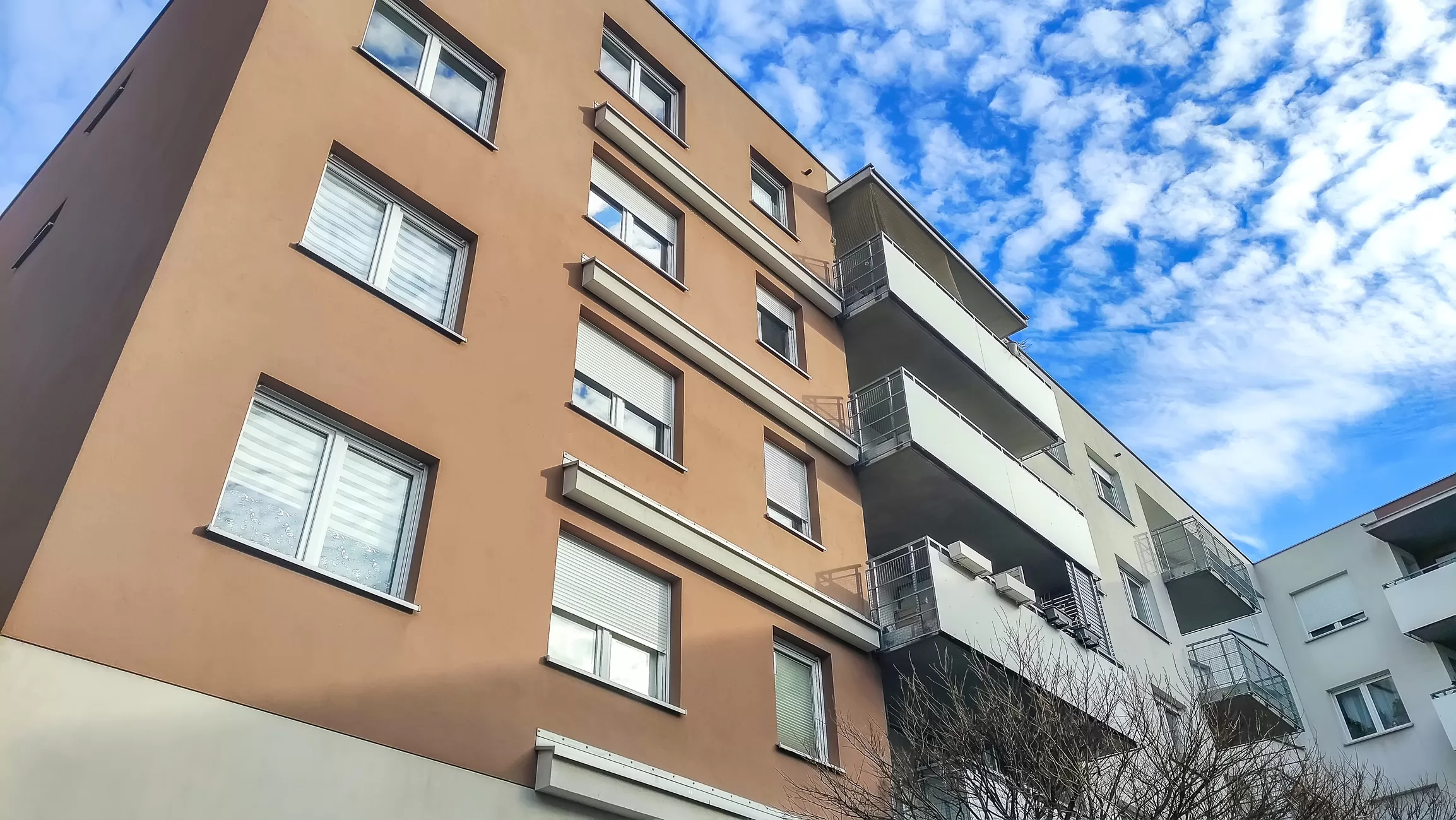
Do you own a duplex, triplex, or apartment building, or are you renting out your condo or house? As soon as you no longer reside in the building you own, your standard home insurance policy is no longer sufficient.
It is essential to take out specific insurance: non-occupant owner insurance. This is the ideal coverage that will effectively protect your real estate assets and guarantee your income.
Assurance Multi-Risques is here to help you understand the specific features of this coverage.
Home Insurance for Landlords
Non-occupant homeowner insurance is designed for real estate investors who earn income from renting out their property. It mainly covers:
- The building: This covers damage caused to the building, in the event of a fire or flood, for example.
- Civil liability: This protection is essential. It covers you in the event of damage caused to your tenants or third parties (neighbors, other occupants).
- Rental income: This can cover your loss of rental income in the event of a major disaster. If your tenants have to leave the property during repairs or reconstruction, the insurance will compensate you for the amount of the rent.
- Rented personal property: You can add this coverage to protect the property you leave on site. This includes appliances such as the washer, dryer or refrigerator. You can also protect carpets and certain furniture included with the apartment.
Essential Protection for Your Rental Property
Although home insurance for non-occupant owner is not legally required for all rental properties, it is strongly recommended. However, it is mandatory if your property is located in a condominium.
Why Is It Important?
- Filling the gaps in tenant insurance: Even if you require your tenants to have insurance, it only covers the tenant’s property and their own civil liability. It does not cover the structure of the building you own.
- Professional activity: Renting out a building is considered by insurers to be a professional activity, which is generally excluded from standard home insurance policies. Homeowner insurance covers this additional risk.
Short-Term Rental
If you are leaving for a few weeks and decide to rent your home for a short period of time, you must inform your insurer. It is important to ensure that your home is properly protected while you are away.
Each insurer has its own definition of a short-term rental. It is therefore essential to confirm the rental duration and check that you are covered for the full period. Most insurers will be able to add an endorsement to your insurance policy to include the rental period. This may incur additional costs, so make sure that renting out your property is to your advantage.
If your insurer refuses to cover you for renting out your home, you can contact a specialized insurance broker. They will take care of finding you the necessary coverage without you having to go through a lot of trouble.
What About Renting With Airbnb?
Insurance for short-term rentals of your home is also necessary when you do business with an online platform. Even if the platform provides insurance, this Host Guarantee is often only supplemental insurance and does not cover all damages.
Tips for Getting the Right Insurance:
- Always notify your insurer: If you decide to rent out your house or condo, you must inform your insurance company to change your policy. A false declaration could result in a claim being denied.
- Select your risks: Some insurance policies offer “All risk coverage”, which covers everything except for the exclusions mentioned. Others, such as “Designated risk plan”, allow you to select the risks for which you want to be protected.
- Request a quote: It is often a good idea to contact an independent insurance broker. At AMR, our team has all the expertise needed to find the best coverage for your income property.
In summary, as a property owner, non-occupant owner insurance is an essential safeguard for your investment and allows you to approach rental management with peace of mind.