When winter settles over Quebec, snow, ice, and black ice quickly turn our roads into daily challenges. Every year, deteriorating road conditions lead to a sharp rise in fender benders and auto insurance claims. However, most of these incidents can be avoided with proper preparation and a few adjustments to our driving habits.
Whether you’re facing the season’s first snowstorm or the deep freeze of January, adopting the right habits is the best way to protect your vehicle, your passengers, and your insurance record. Discover 5 simple and essential tips to approach winter driving safely and drive with peace of mind all season long.
1. Prepare Your Vehicle and Get Equipped on Time
Don’t let the first storm catch you by surprise. When it comes to safety and insurance, preparing your vehicle is your best first line of defense.
- Don’t wait for the legal deadline of December 1st. The rubber compound in summer and all-season tires hardens below 7 °C, significantly reducing grip. Proper winter tires minimize the risk of skidding and collisions.
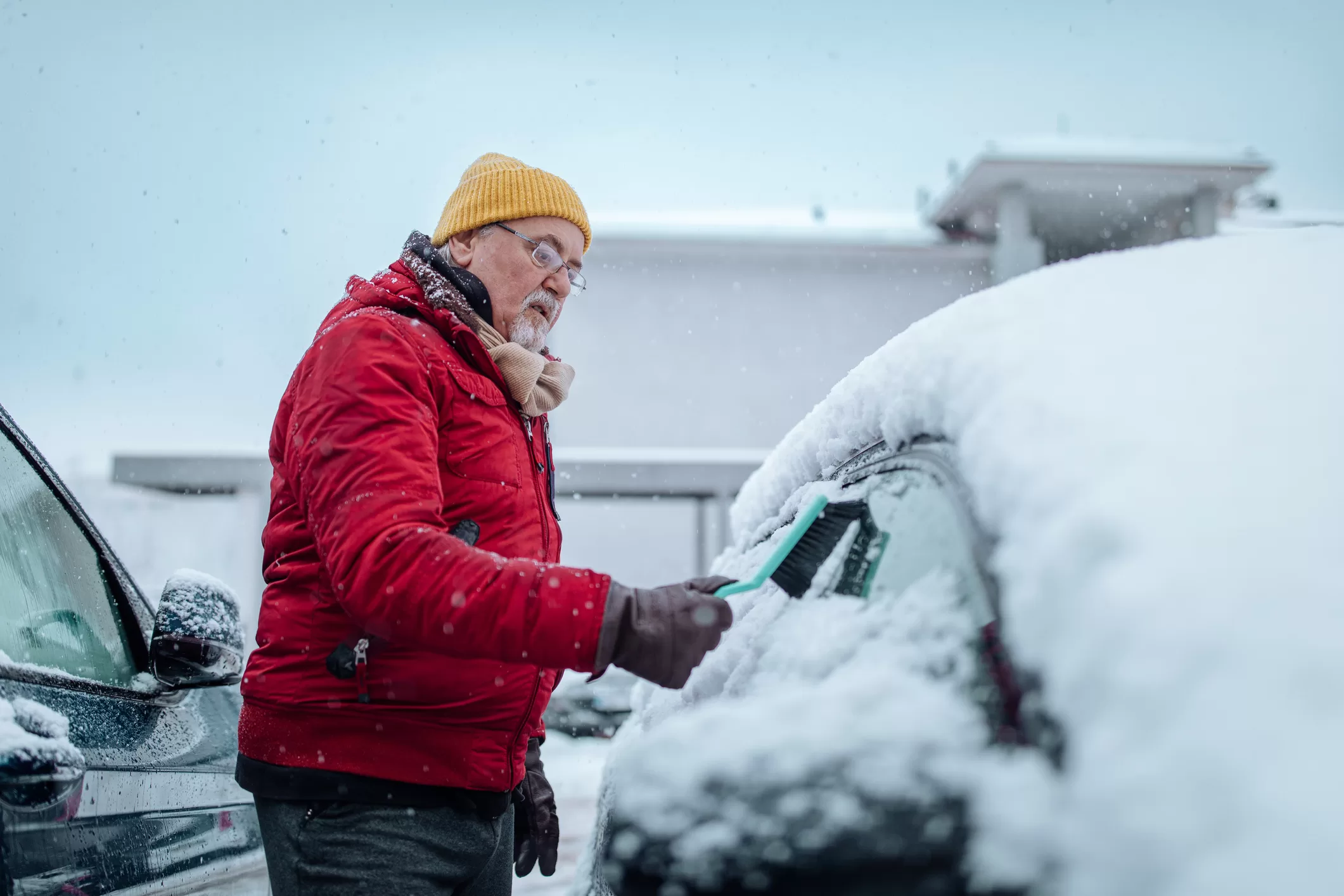
- Take the time to thoroughly clean the roof, hood, headlights, and all windows with your snow brush. A poorly cleared car reduces your visibility, creates dangerous whiteouts for drivers behind you, and can result in a heavy fine—on top of unnecessarily increasing the risk of an accident.
Proper preparation at the right time is the key to driving with confidence and avoiding easily preventable claims.
2. Adjust Your Speed and Increase Your Following Distance
On snow or ice, controlling your vehicle comes down to anticipation. Winter driving requires modifying your braking habits to prevent one of the season’s most common accidents: rear-end collisions.
- On slippery roads, braking distances can be up to ten times longer than on dry pavement. Doubling or tripling the space between your car and the one ahead gives you time to react without slamming on the brakes.
- Posted speed limits are intended for ideal conditions. If the road is snow-covered or icy, reduce your speed and avoid sudden maneuvers (rapid acceleration, sharp steering, or hard braking).
Even on slippery roads or in poor weather, the driver remains responsible if they were not driving at a speed suited to the conditions. Maintaining control of your vehicle and keeping safe following distances helps prevent an at-fault accident that could impact your insurance record.
3. Keep a Complete Emergency Kit in the Trunk
An unexpected event on a snowy road or during extreme cold can quickly turn a minor mechanical issue into a stressful situation. Carrying the right tools in your vehicle allows you to handle small hiccups yourself and wait safely for assistance if a breakdown occurs.
The essentials to keep on board:
- Unstucking equipment: A collapsible shovel, traction mats (or cat litter/sand), and a sturdy snow brush.
- For visibility and the battery: Extreme cold windshield washer fluid (-40 °C) and booster cables in good condition.
- For comfort and safety: A warm blanket, spare gloves, a flashlight with fresh batteries, water, and non-perishable snacks.
Being self-sufficient enough to clear your wheels from snow or boost your battery saves you from waiting indefinitely for a tow truck during peak busy days. Plus, if you have to pull over on the shoulder during a storm, these supplies ensure your safety while waiting for roadside assistance or emergency services.
4. Perform Preventive Maintenance (Battery and Fluids)
Freezing temperatures put heavy stress on your vehicle’s mechanics, especially the electrical system and fluids. Taking pro-active steps with a quick mechanical checkup before extreme cold spells is key to avoiding unpleasant breakdowns.
- During severe cold snaps, a weakened battery can lose up to 50% of its starting power. If it’s more than three or four years old, have a mechanic test its charge.
- Make sure your coolant (antifreeze) level is adequate and that your reservoir contains windshield washer fluid formulated to withstand temperatures down to -30 °C or -40 °C.
It’s important to remember that auto insurance policies cover damage caused by accidents or covered losses, not normal wear and tear or lack of maintenance. A dead battery or engine damage caused by improper coolant are not covered. Simple preventive maintenance saves you from completely unnecessary repair or towing fees.
5. Review Your Auto Insurance Coverage Before the Storm
Adopting good driving habits and properly equipping your vehicle significantly reduces risks, but zero risk doesn’t exist on icy or snow-covered roads. Before cold snaps and storms hit, take a moment to review your auto insurance contract to make sure you are properly protected in case of an unforeseen event.
- Collision coverage (Section B): If you lose control of your vehicle on black ice or hit an obstacle, are you covered for the physical damage caused to your own car?
- Rental car option (Endorsement FAQ 20): If your car needs to spend two weeks at the repair shop after an accident, will you have access to a courtesy vehicle without paying out of pocket?
- Replacement cost coverage (Endorsement FAQ 43): In the event of a total loss on a slippery road, will your claim payment reflect the replacement value of your vehicle?
At AMR, our expert brokers are here to support you every step of the way. We analyze your current coverage and compare options to help you find tailored auto insurance, perfectly suited to your needs and budget.