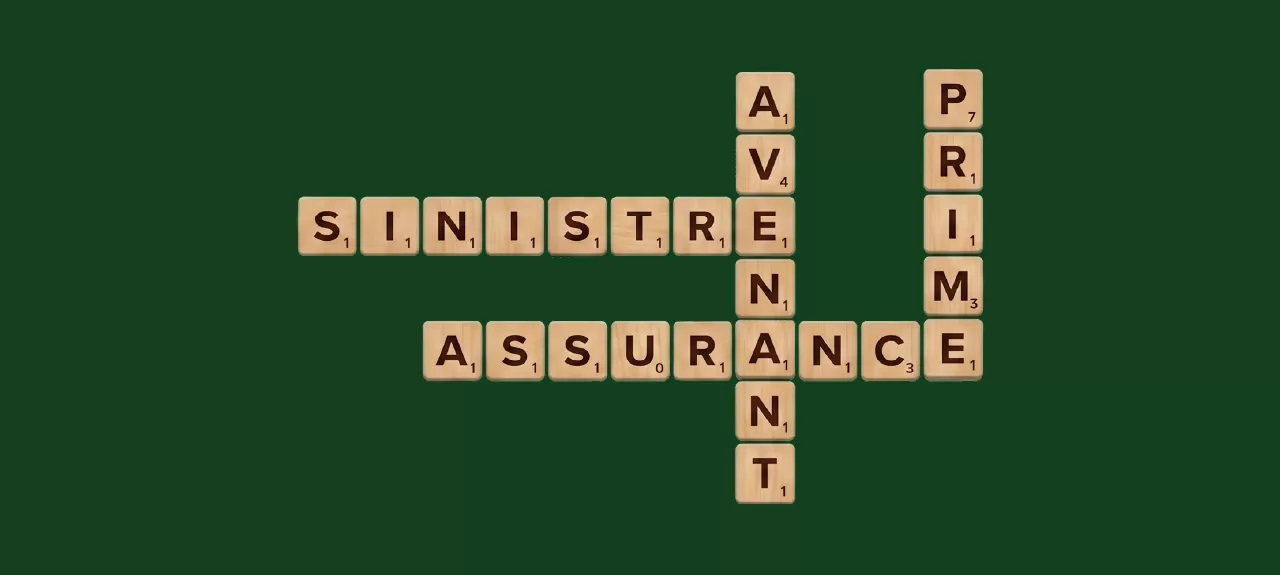
The world of insurance can sometimes seem complex, with all its technical jargon. However, understanding the key terms in your policy is essential for making informed decisions. This can help you avoid many unpleasant surprises in the event of the unexpected.
Here’s a simple glossary to help you make sense of it all!
A Practical Guide to Understanding Your Insurance Policy
1. Insurance Policy:
This is the official contract between you and your insurance company. It details the risks covered, the exclusions, and the amount of your premium. If a claim arises, your claim will be reviewed based on this policy.
2. Insurance Premium:
This is the cost of your insurance. It is the amount you pay monthly or annually in exchange for your coverage.
3. Deductible:
The deductible is the amount you must pay out of pocket when you file an insurance claim. You must pay this predetermined amount, specified in your policy, before the insurance company reimburses the remaining costs.
For example, if the damage to your vehicle totals $1,200 and your deductible is $500, the insurer will reimburse you $700.
4. Endorsement:
An endorsement, or rider, is an additional clause added to your insurance policy. It is used to modify, add, or remove specific coverages. There are many types of endorsements, including those that cover certain types of water damage or earthquakes.
5. Liability Coverage:
Liability coverage protects you financially if you are held liable for bodily injury or property damage caused to a third party. It is mandatory for auto insurance and is included in standard home insurance.
6. Claim:
A claim or a loss is an unforeseen and involuntary event, such as theft, a fire, or a car accident. It causes property damage, physical injury, or emotional distress and triggers the coverage under your insurance policy so you can receive compensation. You can learn more about home insurance disasters and car insurance after a claim by reading our blog posts.
7. Claims Adjuster:
The claims adjuster is appointed by the insurer to handle your claim. They are responsible for investigating the cause of the loss and verifying whether the damage is covered by your insurance policy. They will assess the amount of the damage and submit a settlement offer to you.
8. Exclusion:
This refers to a situation or type of damage that is not covered by your insurance policy. It’s crucial to review this section of your policy to understand the scope of your coverage. You can read our article to learn more about what isn’t covered by your home insurance.
9. Insurance Claim:
This is the request you submit to your insurer to cover the costs associated with a loss. This article explains the main steps to follow when filing an insurance claim.
10. Insurance Indemnity:
This is the amount paid by your insurer in the event of a claim to repair or replace your damaged property. The deductible is subtracted, if applicable.
11. Additional Living Expenses:
Additional living expenses cover the extra costs you incur when your home or residence becomes uninhabitable following a loss. This coverage reimburses costs that exceed your usual expenses for essentials such as temporary lodging, meals, or transportation costs. Be sure to keep your receipts! This coverage is generally included in home insurance policies for owner-occupants, condominium owners, and renters..
12. Limitation:
This is the maximum amount specified in your policy that the insurer agrees to pay in the event of a loss. There are generally limits on items of very high value, which must be covered by a specific endorsement.
The Importance of Understanding Insurance Terminology
Your insurance policy shouldn’t be a source of confusion. By understanding this terminology, you’ll be better equipped to choose the coverage that best fits your situation.
If there’s anything in your policy you don’t understand, don’t hesitate to ask your damage insurance broker! At Assurance Multi-Risques, it’s our job to provide you with the information you need to make informed decisions.
Understand Better to Protect Yourself Better
Staying well-informed is the first step toward protecting yourself. By taking the time to read your insurance policy and ask questions about terms you’re less familiar with, you can ensure that you fully understand the nuances of your policy.
This way, you’ll know all the details of your coverage and be able to determine whether or not it meets your needs. You’ll be well protected when you really need it.
The chambre de l’assurance also provides several resources to help you better understand your insurance policies. And to deepen your knowledge of insurance terminology, you can consult the Insurance Bureau of Canada’s comprehensive glossary.
With all these tools and the help of our independent brokers, you’re guaranteed to be well protected!
In Summary
- Master the basics: Familiarize yourself with key terms to better understand your insurance policy.
- Read your policy: Pay close attention to exclusions and limitations to avoid unpleasant surprises.
- Ask questions: If you’re unsure about anything, your insurance broker is there to clearly explain the details of your coverage.